

Choosing the Right Peeling Styles and Process Flow for Different Export Markets
Introduction
Peeling style and process sequence directly affect export competitiveness. Different markets demand specific appearances, sizes, and quality levels. Choosing the wrong combination can reduce prices or limit buyer access.
This article covers common peeled shrimp styles, regional preferences, and effective process flows. It also shows how Soontrue shrimp peeling equipment and automatic shrimp peeling machine solutions support flexible, market-ready production.
Common Peeled Shrimp Styles and Their Market Demand
Processors offer several standard styles. Each style serves different buyer needs and price points.
EZ Peel / Easy-Peel Styles
EZ peel shrimp have a scored shell that is easy to remove. This style remains popular for retail and foodservice. It balances convenience and appearance.
Tail-On (PTO) Variants
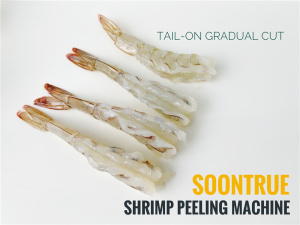
Peeled tail-on styles keep the tail fin. Buyers often prefer different cut depths. Some markets want a clean shallow cut. Others accept deeper cuts. PTO styles usually command higher prices than fully peeled products.
Butterfly and Split Styles
Butterfly and split styles open the shrimp along the back. They create an attractive presentation for grilling or plating. These styles suit premium foodservice and retail packs.
Fully Peeled (Tail-Off) Products
Fully peeled shrimp have the shell and tail removed. This style works well for further processing, ready meals, and some frozen packs. It often sells at a lower price point than tail-on options.
Headed vs. Headless Starting Points
Some plants start with headed shrimp. Others receive headless product. The starting form affects equipment choice and yield. Headless shrimp usually move faster through peeling stages.
|
Style |
Typical Market Use |
Relative Premium |
|
EZ Peel |
Retail, foodservice |
Medium |
|
Tail-On (PTO) |
Export, premium retail |
High |
|
Butterfly / Split |
Foodservice, grilling |
High |
|
Fully Peeled (Tail-Off) |
Further processing, value packs |
Lower |
|
Headed start |
Certain regional supplies |
Varies |
Regional Market Preferences
Export markets differ in style, size grade, and quality expectations.
North America
North American buyers often favor PTO and EZ peel styles. Consistent size grading and clean appearance matter. Uniformity supports both retail trays and foodservice packs.
Europe
European buyers focus on hygiene, traceability, and clean cuts. Fully peeled and certain PTO styles are common. Strict appearance standards apply.
Japan
Japanese buyers demand high visual quality and precise cuts. Butterfly and carefully prepared PTO styles often perform well. Size consistency is critical.
Major Asian Markets
Preferences vary by country. Some favor headed or headless forms. Others prioritize specific tail-on presentations. Local demand can shift quickly with season and price.
Size grades, color, and residual shell levels all influence acceptance. Consistency across batches helps maintain buyer confidence.
Designing the Right Process Flow
Process sequence affects efficiency, yield, and final quality.
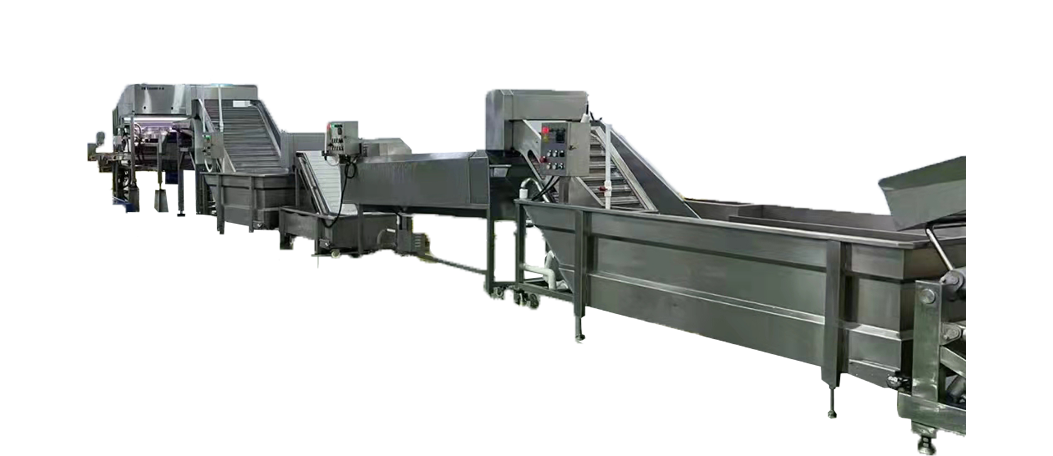
Deheading-First vs. Direct Peeling
Many plants dehead first, then peel. This approach suits high-volume lines. Other operations peel headless shrimp directly. The choice depends on raw material form and target styles.
Role of Washing, Sorting, and Grading
Washing removes debris after deheading or peeling. Sorting and grading ensure size consistency. These steps support export specifications and reduce claims.
Running Multiple Styles on the Same Line
Flexible lines can switch between EZ peel, PTO, and fully peeled styles. This capability helps plants serve several markets without separate dedicated systems.
Importance of Quick Changeover
Fast changeover keeps downtime low. Recipe-based controls on an automatic shrimp peeling machine allow operators to switch styles quickly. This flexibility supports mixed production schedules.
Operational Considerations When Selecting Styles and Flow
Several practical factors influence final choices.
Yield Implications of Different Cuts
Deeper cuts or full peeling can reduce yield. Shallower PTO cuts often preserve more product weight. Plants must balance appearance against recoverable yield.
Impact on Downstream Packaging and Freezing
Style choice affects packing density and freezing performance. Tail-on products may need different tray or bag configurations. Process flow should align with packaging equipment.
Balancing Flexibility with Line Efficiency
Highly flexible lines handle many styles but may run slower than dedicated systems. Plants must match flexibility to actual order patterns.
Hygiene and Traceability Requirements for Export
Export markets require strong hygiene control and clear records. Washable equipment and consistent processes support these needs. Traceability from raw material to finished pack remains essential.
Soontrue designs shrimp peeling equipment that supports clean operation and modular layouts for export-focused plants.
Decision Framework for Processors
A simple framework helps processors choose wisely.
Questions to Ask About Target Markets
- Which styles do my main buyers request most often?
- What size grades dominate current orders?
- How strict are appearance and residual shell standards?
Evaluating Equipment Versatility vs. Dedicated Lines
Versatile automatic shrimp peeling machine options suit plants serving multiple markets. Dedicated lines may fit high-volume single-style production.
Planning for Future Market Shifts
Buyer preferences can change. Equipment that stores multiple recipes and supports quick style changes gives plants more options as demand evolves.
|
Decision Factor |
Key Question |
Preferred Approach |
|
Market mix |
One style or many? |
Flexible equipment |
|
Volume |
Steady high volume? |
Dedicated or multi-unit line |
|
Change frequency |
Frequent style switches? |
Recipe-based controls |
|
Future growth |
New markets planned? |
Modular expansion |
Conclusion
Matching the right peeling styles and process flow to export market demand improves both profitability and competitiveness. Soontrue provides flexible shrimp peeling equipment and automatic shrimp peeling machine solutions designed for these needs. Map your current capabilities against target markets, then explore modular options that fit your plant—visit the About Us or contact the team directly through the Contact Us to discuss your specific requirements.
FAQs
Q: What is the difference between EZ peel and PTO shrimp?
A: EZ peel shrimp have a scored shell for easy removal. PTO (peeled tail-on) keeps the tail fin and removes most of the shell. Both styles serve different buyer preferences.
Q: Can one automatic shrimp peeling machine handle multiple styles?
A: Yes. Modern systems with recipe storage can switch between EZ peel, various tail-on cuts, butterfly, and fully peeled styles with minimal mechanical adjustment.
Q: How does process flow affect export quality?
A: Correct sequence—deheading, washing, peeling, sorting—improves consistency and reduces residual shell or damage. Consistent flow supports the uniform appearance export buyers require.
Q: What size ranges work best with automatic shrimp peeling machines?
A: Most equipment performs best with common commercial counts. Mid-range sizes usually deliver the highest efficiency and yield.
Q: Why is quick changeover important for export plants?
A: Export orders often mix styles and sizes. Fast changeover reduces downtime and lets plants respond to varied buyer requests without large inventory buffers.
Q: Does shrimp peeling equipment support hygiene requirements for export?
A: Washable designs and controlled processes help plants meet strict hygiene and documentation standards common in export markets.
Q: Where can I find suitable shrimp peeling equipment for export production?
A: Soontrue offers automatic shrimp peeling machine options and full processing lines. Visit the product pages or contact the team for details matched to your target markets.